
As I continue my transition into the world of cybersecurity, I’m diving deeper into tools and technologies that are pivotal for the field. One tool that kept coming up in my research was Splunk. Known for its power in real-time monitoring, data analysis, and security operations, I realized that Splunk is a must-have skill for any cybersecurity professional.
I decided to enroll in the LEARN SPLUNK course on Udemy, which came highly recommended with over 100,000 students and a stellar 4.6-star rating. My goal? To get comfortable with Splunk’s foundational tools and concepts so I can prepare for more advanced certifications—specifically, the Splunk Certified Cybersecurity Defense Analyst certification.
Why Splunk Is Critical to My Cybersecurity Path
Cybersecurity is all about managing data and responding to potential threats quickly and effectively. That’s where Splunk comes in. It’s a powerful platform for collecting, indexing, and analyzing massive amounts of data in real time, which is exactly what’s needed when monitoring for security threats and managing incidents. For me, learning Splunk is essential as I build toward more advanced cybersecurity roles.
As someone who’s already earned certifications like CompTIA Security+ and has hands-on experience with Tenable Vulnerability Management, I saw mastering Splunk as the logical next step. It’s a tool used by security analysts around the world to detect, investigate, and respond to cyber threats. By getting proficient with Splunk, I’m preparing myself to be more effective in real-world security operations.
My Splunk Learning Experience
I started with the basics: setting up a working Splunk environment, learning Search Processing Language (SPL), and building dashboards and reports. The course did a fantastic job of laying a strong foundation, but I wanted more than just theoretical knowledge. That’s when I decided to build my own Splunk lab environment, which was a game-changer in helping me understand the platform on a deeper level.
Setting Up My Splunk Lab
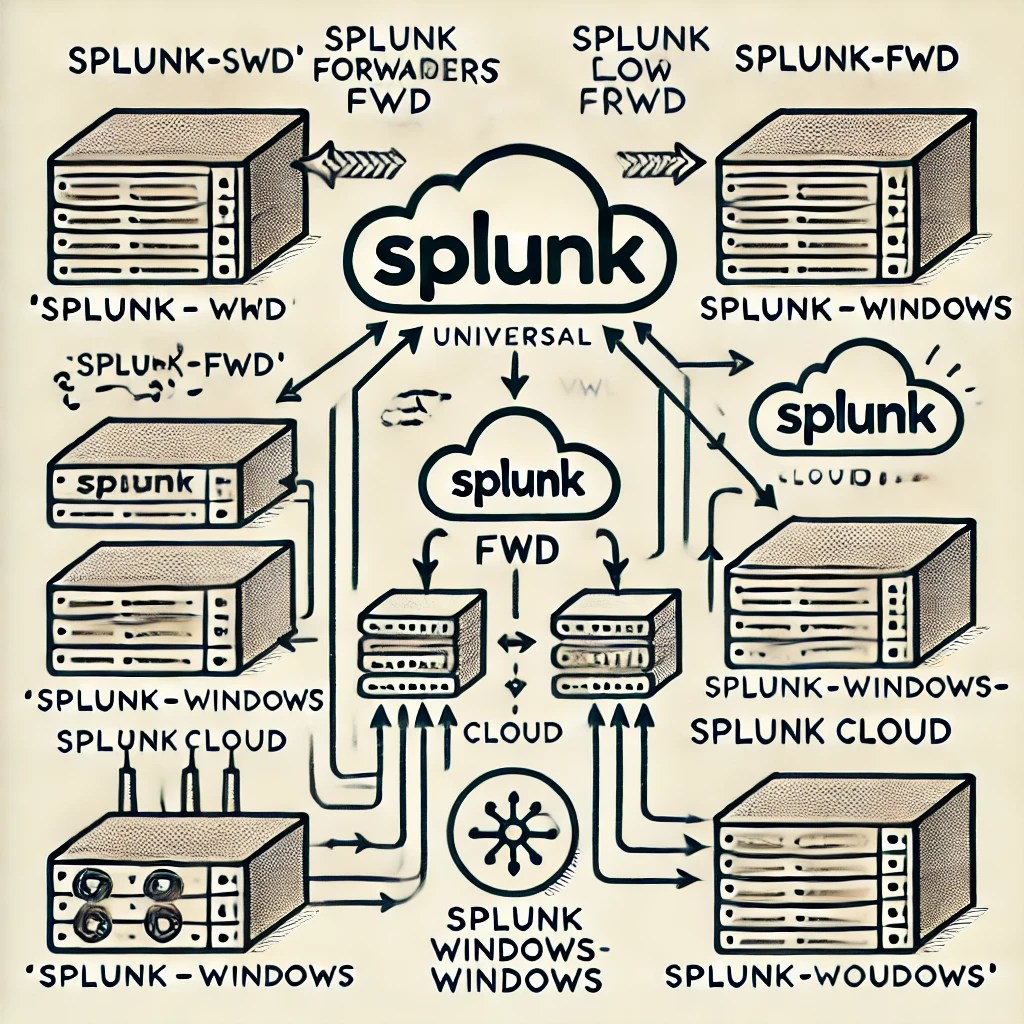
To create a hands-on learning experience, I set up a multi-VM environment using Oracle’s VirtualBox, with both Linux and Windows machines. Here’s how I structured my lab:
- 5 Virtual Machines: I used a mix of Linux and Windows VMs, including a Linux Splunk Search Head and Universal Forwarders on both platforms to simulate real-world environments.
- Splunk Cloud Integration: I tested Splunk Cloud to gain experience with both local and cloud-based deployments.
- Data Flow and Security: Configuring the Universal Forwarders and Search Heads to collect and index data was key to understanding how Splunk can be used in security operations. From monitoring logs to detecting anomalies, this setup helped me practice some of the tasks I’ll be doing as a cybersecurity professional.
Challenges Along the Way
Like any new tool, Splunk had its learning curve. One of the most challenging parts was troubleshooting issues related to data flow between my forwarders and search heads. But each challenge was an opportunity to learn more about Splunk’s architecture and the role it plays in managing data securely and efficiently.
The course’s hands-on exercises, combined with my lab work, have made me much more confident in my ability to use Splunk in a professional setting—especially for security purposes.
What’s Next: Preparing for the Splunk Certified Cybersecurity Defense Analyst
Now that I’ve built a strong foundation with Splunk, I’m setting my sights on the next goal: earning the Splunk Certified Cybersecurity Defense Analyst certification. This certification will allow me to dive deeper into Splunk’s security capabilities, such as detecting threats, monitoring security events, and responding to incidents.
As I continue building my skill set, I’m focusing on:
- Threat Detection and Monitoring: Using Splunk to identify potential security threats by monitoring logs and setting up alerts for suspicious activity.
- Incident Response: Learning how to effectively respond to security incidents using Splunk’s tools, ensuring quick identification and resolution of threats.
- Certification Prep: I’m committed to mastering these skills as I prepare for the Splunk Certified Cybersecurity Defense Analyst exam, which is a critical milestone in my cybersecurity career.
Next, I’ll be working on certifications like the Splunk Certified Cybersecurity Defense Analyst to further enhance my expertise in this critical field.
Reflections and Takeaways
Learning Splunk has been an eye-opening experience. I’ve realized just how powerful this platform can be, especially for anyone looking to make an impact in cybersecurity. From log management to real-time monitoring and threat detection, Splunk gives cybersecurity professionals the tools they need to stay ahead of emerging threats.
For anyone else on a similar journey, I highly recommend investing the time to get comfortable with Splunk. It’s not just about adding another skill to your resume—it’s about understanding how to leverage data to protect systems and networks effectively.
Let’s Connect and Grow Together
As I continue sharing my learning journey through this blog, I hope to provide insights and tips that others can benefit from—whether you’re new to cybersecurity or an experienced professional. Feel free to leave comments, ask questions, or share your own experiences with Splunk or cybersecurity in general.
Thank you for joining me on this journey into the exciting world of cybersecurity!
 Mike's Cybersecurity Path
Leave a comment